

Packaging decisions across Europe are entering a new phase.
Regulation (EU) 2025/40 on Packaging and Packaging Waste, commonly known as the PPWR, introduces a more harmonised framework for how packaging should be designed, manufactured, used, labelled, and managed at the end of its useful life.
The regulation generally applies from 12 August 2026, with several requirements introduced progressively over the following years. Its objectives include reducing unnecessary packaging, improving recyclability, increasing resource efficiency, and supporting a more circular European packaging market.
For manufacturers, exporters, retailers, and other businesses placing packaged products on the European market, the PPWR makes packaging selection an increasingly important operational and commercial decision.
Why does the PPWR matter to packaging buyers?
The regulation covers virtually all packaging placed on the European Union market, regardless of the material, product category, or industry involved.
Although specific responsibilities depend on each company’s role in the supply chain, businesses will increasingly need to demonstrate that their packaging:
- is designed with material recycling in mind;
- uses no more material or volume than necessary;
- avoids unnecessary empty space;
- contains components that do not prevent effective recycling;
- carries the required material and sorting information;
- complies with relevant substance restrictions; and
- is supported by reliable technical documentation.
The PPWR therefore moves packaging discussions beyond appearance and unit cost. Structural performance, material composition, logistics, waste prevention, recyclability, and documentation must all be considered.
1. Recyclability starts at the design stage
The PPWR requires packaging placed on the EU market to be recyclable. More detailed European design-for-recycling criteria and recyclability performance grades will be introduced progressively, with the principal design-for-recycling requirements expected from 2030 or after the relevant delegated legislation takes effect.
For paper-based and corrugated packaging, this means considering more than the main paper or board material.
The recyclability of a finished packaging solution may also be influenced by:
- coatings and barrier treatments;
- adhesives;
- printing inks and varnishes;
- labels and tapes;
- plastic windows or handles;
- metallic or laminated finishes; and
other integrated or separate components.
A paper-based package should therefore be evaluated as a complete structure. Material selection, construction, printing, and finishing decisions should support the collection, sorting, and recycling processes available for the relevant waste stream.
2. Packaging will need to use material more efficiently
From 2030, packaging will generally need to be designed so that its weight and volume are reduced to the minimum necessary to perform its required functions.
This does not mean compromising product protection.
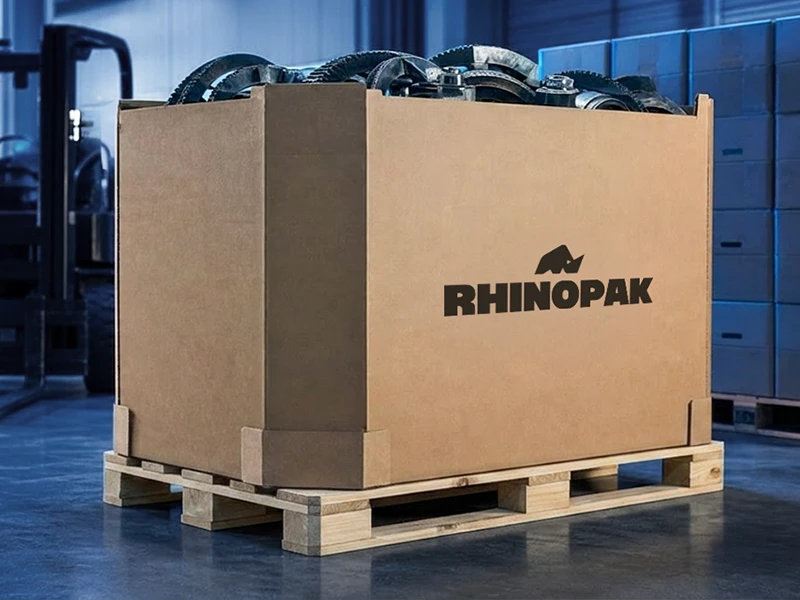
Packaging must still withstand the demands of handling, storage, stacking, transportation, moisture, and the wider supply chain. The objective is to remove unnecessary material while retaining the strength and performance the product requires.
For corrugated packaging, this can involve reviewing:
- box dimensions;
- board grade and flute selection;
- liner and medium grammage;
- single-wall or double-wall construction;
- internal partitions and inserts;
- stacking requirements;
- pallet configuration; and
transport and storage conditions.
The result should be packaging that is fit for purpose, rather than simply lighter or smaller.
3. Empty space is becoming a packaging priority
A future PPWR requirement, expected to apply from 2030 at the earliest, will introduce a maximum 50% empty-space ratio for grouped, transport, and e-commerce packaging filled by economic operators, subject to the final implementing timetable and calculation methodology.
This will make right-sized packaging increasingly important for businesses shipping products within Europe.
Excessively large packaging can result in:
- unnecessary material consumption;
- greater reliance on void-filling materials;
- inefficient pallet and warehouse utilisation;
- increased transport volume;
- product movement inside the package; and
avoidable waste.
Packaging designed around the dimensions, weight, fragility, and distribution requirements of the product can help businesses use space and materials more efficiently.
4. Every packaging component matters
A corrugated box may include several materials and components beyond paper and board.
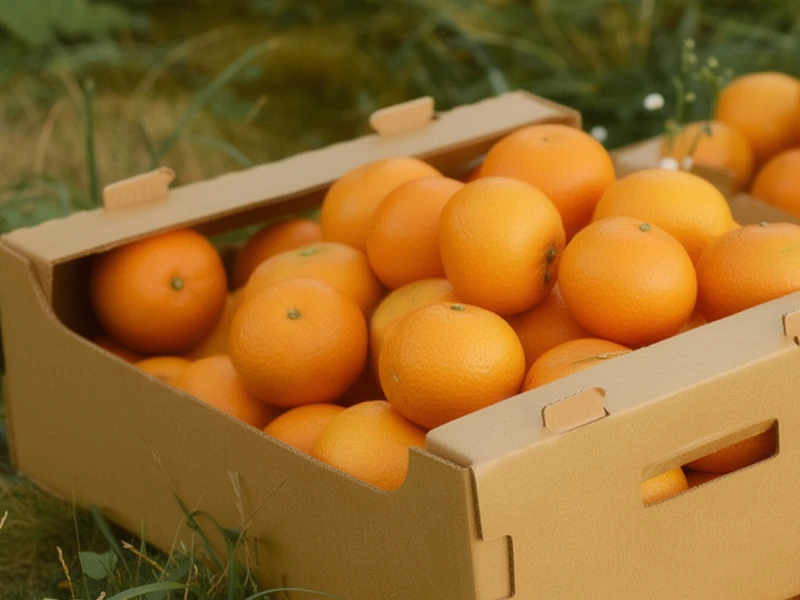
Functional barriers, films, coatings, labels, adhesives, tapes, and closures may be required to protect the product or meet food, moisture, handling, or transportation requirements.
However, these elements may also affect the way the packaging is sorted and recycled.
Businesses should therefore understand:
- what materials are included in the complete package;
- whether components can be separated;
- how coatings and adhesives behave during paper recycling;
- whether plastic elements are necessary;
- whether an alternative construction could achieve the same function; and
what technical evidence is available from packaging and material suppliers.
The most effective solution will depend on the product and its performance requirements. A blanket approach cannot be applied to every packaging format.
5. Food-contact packaging requires particular attention
The PPWR introduces restrictions on per- and polyfluoroalkyl substances, commonly known as PFAS, in food-contact packaging from 12 August 2026.
This is particularly relevant to packaging using grease-, oil-, water-, or moisture-resistant treatments. Businesses purchasing food-contact packaging should ensure that the complete material specification, including coatings, inks, adhesives, and treated papers, is reviewed and supported by appropriate supplier information.
Food-contact compliance should always be assessed against the intended product, conditions of use, storage period, temperature, the applicable European legislation, and the requirement for a Declaration of Conformity (DoC), where applicable.
6. Labelling requirements will evolve
The PPWR will introduce harmonised European labels providing information about packaging material composition and appropriate sorting.
These requirements are scheduled to be introduced progressively from 2028, following the adoption of the relevant specifications. The final pictograms, technical specifications, and digital information requirements will therefore need to be monitored as they are adopted.
Businesses planning new packaging artwork should consider how future regulatory information may be accommodated without disrupting essential branding, handling instructions, product information, or legal text.
7. Technical information will become increasingly valuable
Operators placing the package on the Union Market, may need more structured information from suppliers to support their own assessments, reporting, and regulatory responsibilities.
Depending on the packaging format, this could include:
- material composition;
- board specifications;
- finished packaging weight;
- recycled-fibre information;
- coatings, adhesives, and inks;
- plastic component percentages;
- food-contact declarations;
- supplier compliance statements;
- product or batch traceability; and
structural-performance testing.
Reliable technical information can help businesses make more informed packaging decisions and respond more effectively to customer, retailer, export, and regulatory requirements.
An important clarification for corrugated transport packaging
Cardboard transport boxes are expressly excluded from particular PPWR transport-packaging reuse targets.
This does not mean that corrugated transport packaging is exempt from the regulation as a whole. Requirements concerning recyclability, packaging minimisation, substances, documentation, labelling where applicable, and extended producer responsibility may still apply.
For many supply chains, recyclable single-use corrugated transport packaging will therefore continue to play an important role.
Preparing for the PPWR Together
For UNIPAKHELLAS, adapting to evolving European packaging and environmental requirements is an ongoing responsibility.
Over recent years, the company has continued to monitor relevant EU developments and assess how they affect packaging materials, design, manufacturing, documentation, and customer requirements. As the PPWR’s requirements, implementing measures, and technical criteria are progressively introduced, UNIPAKHELLAS will continue to review their implications and adapt its operations, product specifications, and technical processes accordingly, for the purpose of ensuring full compliance.
This preparation also strengthens the support UNIPAKHELLAS can provide to customers. By helping businesses understand how evolving requirements may affect their packaging, UNIPAKHELLAS can support them in identifying relevant considerations and making informed decisions based on their products, markets, supply chains, and performance needs.
This can include:
- optimising packaging dimensions;
- identifying opportunities to reduce unnecessary material;
- selecting suitable board grades and constructions;
- reducing unused internal space;
- improving pallet, storage, and transport efficiency;
- evaluating packaging components and finishes;
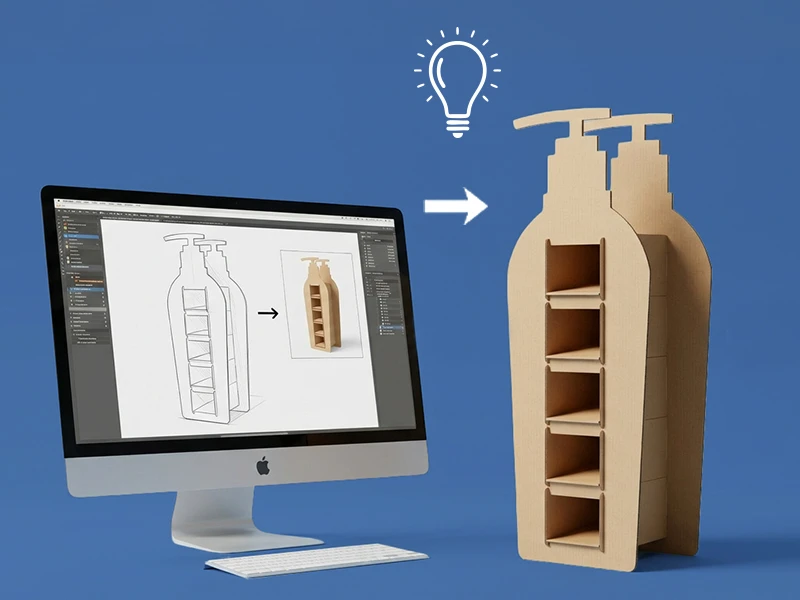
- supporting the development of paper-based alternatives;
- providing relevant packaging specifications and technical information; and
balancing material efficiency with product protection and presentation.
Through packaging optimisation, technical collaboration, and paper-based corrugated solutions designed with recycling considerations in mind, UNIPAKHELLAS will continue to support customers preparing for a more circular European packaging market and the broader objectives of the European Green Deal.
The objective is not simply to use less packaging. It is to make better-informed packaging decisions that balance regulatory readiness, operational performance, product protection, material efficiency, and environmental responsibility.
Get in touch with the UNIPAKHELLAS team to understand how evolving PPWR requirements may affect your packaging, and explore corrugated solutions that support your compliance efforts, operational performance, and sustainability goals.
Do you have a question related to the PPWR? Email Elena Polychroni at elena.polychroni@unipakhellas.gr
This article provides general information and does not constitute legal or regulatory advice. Businesses should assess their specific responsibilities under Regulation (EU) 2025/40 with qualified legal and technical advisers.